



Geospatial Analytics in Real Estate: How Imagery and Data Drive Smarter Investments

Real estate has always been about location. That hasn’t changed. What has changed is how we understand it. We’re no longer limited to street views, demographic reports, or a broker’s intuition. Now we have access to location-based data that goes several layers deeper—things like satellite imagery, mobility patterns, land use trends, even environmental risk factors. […]
Read MoreHow to Scrape Moneycontrol for Structured Stock Market Data?

How to Scrape Moneycontrol? India’s retail investor base has expanded rapidly in recent years. As participation increases, so does the demand for structured, real-time market data that can feed trading dashboards, quantitative models, alerting systems, and portfolio tools. For Indian equities, Moneycontrol remains one of the most widely used public platforms. It provides live stock […]
Read MoreKinds of Alternate Data For Hedge Funds

**TL;DR** Hedge funds now depend on alternate data because traditional sources like earnings reports and market feeds no longer offer enough of an edge. Alternate data captures real world behaviour long before it shows up in financial statements. Web traffic, reviews, job postings, credit card trends, OTA patterns, supply chain signals, and real estate activity […]
Read MorehCaptcha vs reCAPTCHA: Which is Better for Web Security and Bot Prevention?

If you’ve ever tried to scrape a website or build an automation script, chances are you’ve run into some form of CAPTCHA—the kind of roadblock that asks you to click on traffic lights or buses like you’re back in kindergarten. Annoying, yes. But also one of the most common tools for keeping bots out of […]
Read MoreAI Training Data Sets: How to Source, Prepare, and Optimize Data for AI Models

Think of AI training data as the fuel that powers an engine. No matter how advanced your algorithms are, they won’t go far without the right data behind them. Just like a child learns by observing the world, an AI model learns patterns and makes decisions by being fed large volumes of data—data that needs […]
Read MoreHow Netflix Uses Big Data to Personalize Audience Viewing Experience

**TL;DR** Netflix big data is the engine behind its recommendation system, content decisions, streaming optimization, and personalized thumbnails. From predicting what you’ll watch next to deciding which originals to produce, Netflix relies on massive behavioral datasets and real-time analytics to reduce churn and increase engagement. How does Netflix use Big Data? Open Netflix on two […]
Read MoreCyber Threat Intelligence: How Cyber Threat Data Powers Proactive Security

A few years ago, a mid-sized logistics company noticed something odd. Their network traffic looked normal. No alarms were going off. Yet, something did not feel right. Their IT team pulled intelligence reports from their threat data sources, and there it was. A pattern of probing behavior, subtle enough to dodge traditional defenses but obvious […]
Read MoreGoogle Weather vs. Web Scraping: The Best Way to Access Historical Weather Data
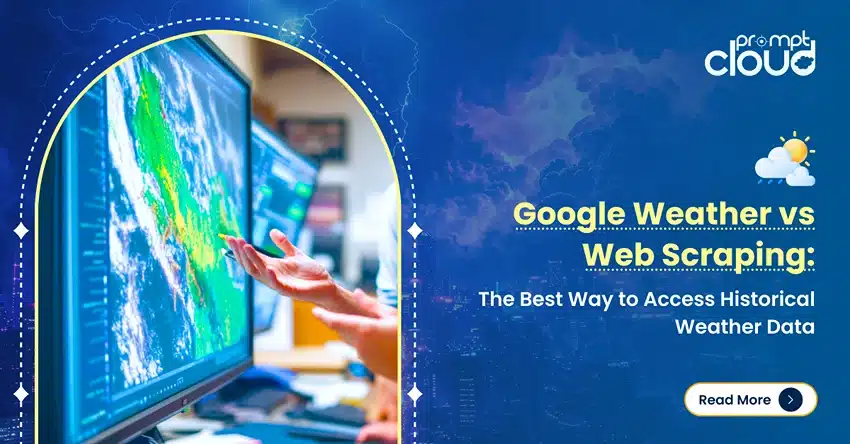
Think back to 2017 when Hurricane Harvey flooded Houston. Or the brutal heatwaves across Europe in 2022. These weren’t just weather events, they disrupted entire economies.Crops failed. Insurance claims soared. Flights and supply chains collapsed. Now imagine you’re an insurance company trying to model future risk without any reliable data from those years. Or a […]
Read MoreHow eCommerce industry is capitalizing on Data Scraping Services?
**TL;DR** The eCommerce industry thrives on data, and the most successful brands today are the ones that know how to collect and use it intelligently. Data scraping for eCommerce enables businesses to automatically extract large volumes of product, pricing, and customer data from the web in real time. This information helps retailers monitor competitors, adjust […]
Read MoreWhy Salary Data is the Key to Smarter Salary Benchmarking and Workforce Retention
How Salary Data Shapes Smarter Salary Benchmarking Strategies Image Source: HRForecast When it comes to paying employees fairly and competitively, guesswork just doesn’t cut it anymore. Companies are starting to realize that their pay decisions must be grounded in reality, not just internal budgets or old market reports. That’s where salary data becomes a game […]
Read More