




Few Pains of Web Crawling

**TL;DR** Web crawling sounds simple on the surface. A bot goes from page to page, collects information, and indexes it. But in real life, crawling is full of friction. Websites block crawlers, HTML structures are messy, server loads spike, legal rules are unclear, and many pages simply aren’t built for automation. These challenges are exactly […]
Read MoreIs Web Scraping Legal?
Introduction: The Real Question Behind Is Web Scraping Legal? “Is web scraping legal?” It’s the question everyone asks the moment they step into the world of web data. Not because scraping is shady.Not because it’s new.But because the rules around collecting online data feel confusing – a mix of ethics, compliance, copyright, Terms of Service, […]
Read MoreHow Top Brands Use Web Scraping to Enhance Product Recommendations
**TL;DR** Top eCommerce brands are using web scraping to quietly power the most important parts of their product recommendation engines. By collecting live data on competitor assortments, prices, reviews, trends, and shopper behavior across the web, they turn messy online information into structured web scraping uses that feed machine learning models. The result is sharper […]
Read MoreDigital Shelf Analytics and the Data Behind the Scenes
**TL;DR** Digital Shelf Analytics helps brands understand how their products appear, perform and compete across online marketplaces. As more shopping shifts to digital channels, brands cannot rely on assumptions about search ranking, pricing, reviews or competitor activity. They need structured data to see how customers interact with product pages, why visibility changes, what drives conversions […]
Read MoreHow to Use Web Scraper Chrome Extension to Extract Data
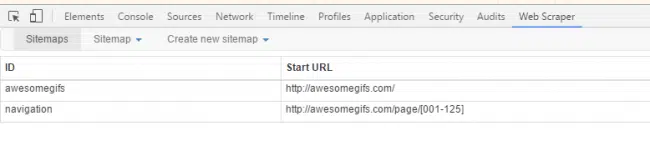
**TL;DR** The Web Scraper Chrome extension lets you collect structured data right from your browser with no code required. Install it, build a sitemap (a crawl plan), select the data you need, and export it as CSV or JSON. It’s great for small research projects, marketing intelligence, and testing data feasibility before scaling to managed […]
Read MoreStep-by-Step Guide to Build a Web Crawler

**TL;DR** A web crawler is software that visits pages, follows links, and collects structured data so you can search it, analyze it, or feed it into apps. You start with seed URLs, fetch HTML, extract links and content, store results, then repeat without overloading sites. For a first build, choose a simple stack like Python […]
Read MoreWeb Data Crawling vs Web Data Scraping
**TL;DR** Crawling and scraping are often mistaken for the same process, but they play very different roles in web data extraction. Crawling focuses on discovering and indexing web pages, while scraping targets specific information within those pages. In modern data ecosystems, both are used together: crawlers map the web, and scrapers extract the structured data […]
Read MoreAmazon EC2 On-demand vs. Reserved Instance Price Calculator
**TL;DR** Choosing between Amazon EC2 On-Demand and Reserved Instances often leads to confusion because the pricing depends on usage hours, commitment length, and upfront payment options. On-Demand gives full flexibility but at the highest hourly rate, while Reserved Instances reduce costs significantly if your workload runs consistently. This refreshed guide explains how amazon ec2 on […]
Read MoreThe Pros and Cons of Various Data Delivery File Formats
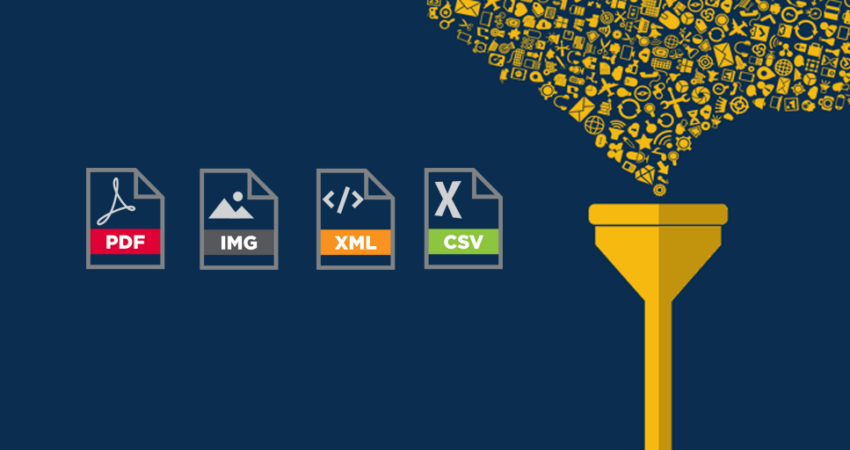
**TL;DR** When it comes to data delivery, the format you choose is not just a technical detail — it’s the bridge between insight and execution. A CSV might get your data there fast, but a Parquet file will keep it lean and scalable. XML can describe every layer of structure, while JSON handles nested data […]
Read MoreDynamic Pricing – Types, Benefits, and Challenges
**TL;DR** Dynamic pricing strategy allows businesses to adjust prices in real time based on demand, competition, seasonality, and other data signals. When executed ethically and backed by the right data infrastructure, it improves profitability, inventory turnover, and market responsiveness. However, poor implementation can damage customer trust and violate regulations. The key lies in balancing automation […]
Read More