


How Web Scraping Services Unlock Market Sentiment Insights Across Industries

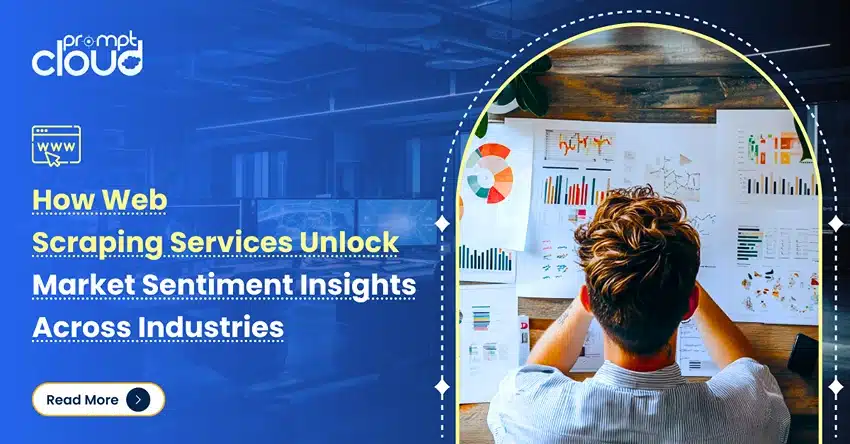
**TL;DR** Market sentiment is how people feel about a brand, product, or market—right now. It lives in reviews, Reddit threads, social posts, and headlines. Traditional methods (surveys, panels) are slow and thin. Web scraping services collect this public chatter at scale, clean it, and turn it into structured signals your team can actually use. The […]
Read MoreBig Data Is Changing Enterprise Information Technology
**TL;DR** Big data in enterprises has grown from a buzzword into a real force shaping how IT teams operate. But the shift is not just about volume. It is about how organizations collect, store, evaluate, and apply data in daily decision making. Big data brings powerful opportunities for analytics, automation, and predictive intelligence, but it […]
Read MoreHow to Read and Respect Robots.txt File

**TL;DR** The robots.txt file tells bots which parts of a website they can or cannot crawl. Learning how to read and respect robots txt disallow directives is crucial for ethical, compliant, and efficient web scraping. This guide breaks down syntax, examples, and best practices to ensure your crawlers follow the rules. Introduction Every website leaves […]
Read MoreServing the Future of Web Data Collection with Data as a Service
**TL;DR** Web crawling sounds simple on the surface. A bot goes from page to page, collects information, and indexes it. But in real life, crawling is full of friction. Websites block crawlers, HTML structures are messy, server loads spike, legal rules are unclear, and many pages simply aren’t built for automation. These challenges are exactly […]
Read MoreImportance of Ethical Data Collection

**TL;DR** Ethical data collection is not a checklist item. It is the foundation of trustworthy, long-term data operations. When your organization collects or scrapes data, ethics determines whether the dataset becomes a strategic asset or a legal liability. Responsible scraping means collecting only what is needed, respecting consent, maintaining transparency, and protecting stored information. It […]
Read MoreKeeping Track of Media Mentions using Web Crawling
**TL;DR** Keeping track of media mentions is no longer a nice-to-have. It is a core part of brand reputation management, competitive positioning and customer intelligence. With conversations happening across news sites, review platforms, forums, social feeds, blogs and niche communities, manual monitoring is impossible. Modern web crawling and automated data extraction solve this problem by […]
Read MoreFew Pains of Web Crawling
**TL;DR** Web crawling sounds simple on the surface. A bot goes from page to page, collects information, and indexes it. But in real life, crawling is full of friction. Websites block crawlers, HTML structures are messy, server loads spike, legal rules are unclear, and many pages simply aren’t built for automation. These challenges are exactly […]
Read MoreIs Web Scraping Legal in 2026? The Complete Compliance Guide
Quick Answer: Is Web Scraping Legal? Yes — web scraping is legal when you collect publicly accessible, non-personal data without bypassingaccess controls, in a way that does not harm the website, and in compliance with applicable laws. It is NOT legal when you scrape behind logins, collect personal data without a lawful basis, bypasstechnical protections, […]
Read MoreHow Top Brands Use Web Scraping to Enhance Product Recommendations
**TL;DR** Top eCommerce brands are using web scraping to quietly power the most important parts of their product recommendation engines. By collecting live data on competitor assortments, prices, reviews, trends, and shopper behavior across the web, they turn messy online information into structured web scraping uses that feed machine learning models. The result is sharper […]
Read MoreDigital Shelf Analytics and the Data Behind the Scenes
**TL;DR** Digital Shelf Analytics helps brands understand how their products appear, perform and compete across online marketplaces. As more shopping shifts to digital channels, brands cannot rely on assumptions about search ranking, pricing, reviews or competitor activity. They need structured data to see how customers interact with product pages, why visibility changes, what drives conversions […]
Read More